Breast Cancer
Awareness.
This information is provided for awareness and education only. Anyone experiencing symptoms should consult a qualified healthcare professional.
Why awareness matters
Early detection saves lives. Understanding the signs and symptoms of breast cancer, knowing your body, and seeking professional care when something changes are essential steps every woman can take.
What to watch for
A new lump or thickening in the breast or underarm
Changes in breast size, shape, or appearance
Dimpling or puckering of the skin
Nipple changes, including inversion or discharge
Persistent breast or nipple pain
Redness, scaling, or swelling of the breast skin
Separating fact from fiction
Myth
Breast cancer only affects older women.
Fact
Breast cancer can affect women of any age. All women should stay aware of changes in their bodies.
Myth
If you have no family history, you are not at risk.
Fact
Most women diagnosed with breast cancer have no family history. Regular awareness and check-ups matter for everyone.
Myth
A lump always means cancer.
Fact
Many breast lumps are not cancerous, but any new change should be checked by a healthcare professional.
Myth
Breast self-exams replace medical screening.
Fact
Self-awareness is helpful, but it does not replace professional screening and clinical examinations.
Breast self-exam steps
- 1
Look at your breasts in the mirror with your arms at your sides, then raised.
- 2
Check for visible changes in size, shape, or skin texture.
- 3
Use the pads of your fingers to feel for lumps or thickening.
- 4
Cover the entire breast and underarm area using a circular pattern.
- 5
Repeat on both sides, noting any new or unusual changes.
- 6
If you notice anything different, contact a healthcare provider promptly.
Need support or have questions?
Our team is here to provide information and connect you with resources.
Contact UsWomen’s wellbeing · Community action
An enduring part of our wider mission.
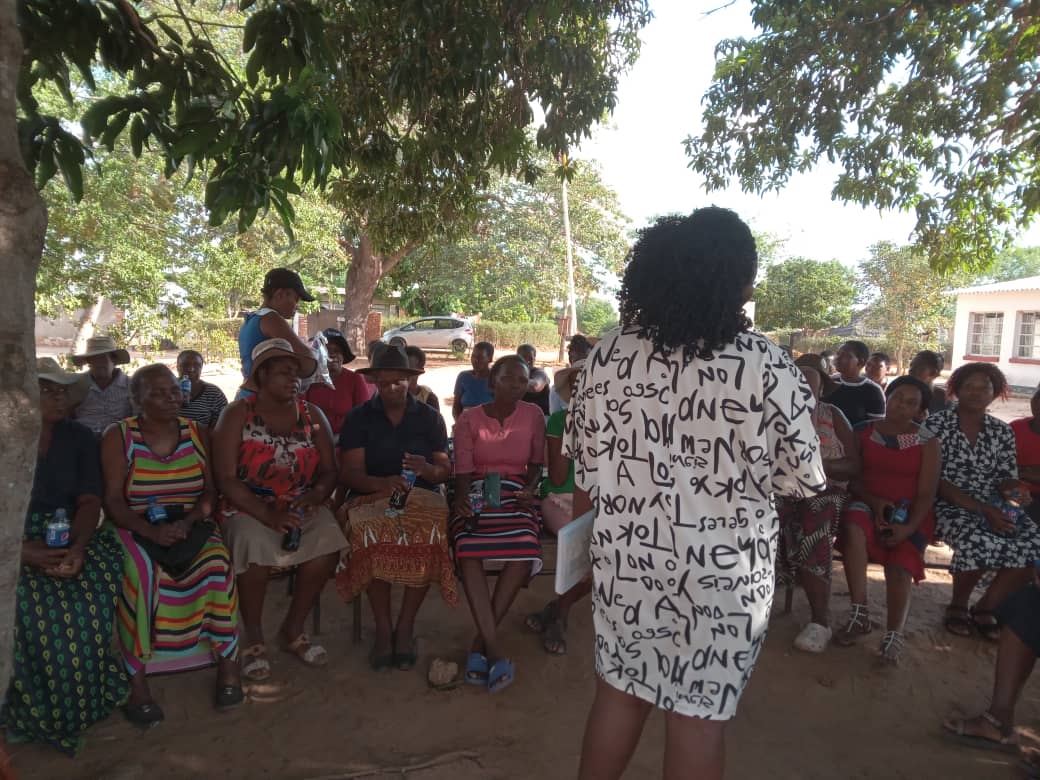
Breast cancer awareness remains part of Phakama’s commitment to women’s wellbeing. Alongside our community meetings and clean-up campaigns, awareness activities keep space for conversations about health and support.